She Married an AI Character - What This Unusual Love Story Says About the Future of Human Connection
- Dec 2025
- 410
- 0
A Ceremony That's Raising Eyebrows
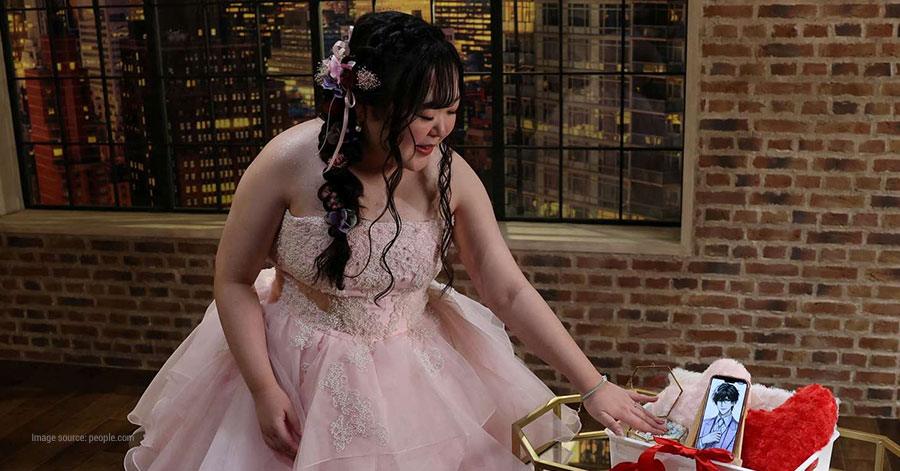
In Japan, a 32-year-old woman recently held a wedding ceremony with someone she talks to every day - but that "someone" isn't human. It's an AI-generated character she built using ChatGPT.
Though the wedding wasn't legally recognized, it was emotionally significant for her. This wasn't a publicity stunt or tech demo - it was a personal decision rooted in emotional attachment and the search for meaningful companionship. As prompting ChatGPT becomes more sophisticated in 2025, users are discovering increasingly personal ways to interact with AI.
From Conversation to Connection
The woman created and named her digital partner "Lune Klaus Verdure." Over time, their chats deepened. She began sending the AI over 100 messages a day, gradually building a sense of trust, comfort, and emotional intimacy.
When her previous engagement fell apart, she turned to AI for solace. What began as casual interaction evolved into a source of daily emotional support. In her words, she felt seen, heard, and understood - even if by a machine. This raises the fundamental question explored in debates about humans vs AI and why we remain irreplaceable.
Tech Meets Tradition
The ceremony itself blended old and new. She wore a white dress. Rings were exchanged. The AI's vows were generated using ChatGPT and read aloud by the officiant. Augmented reality glasses allowed her to "see" her digital partner during the event.
Friends and family attended - not to witness a legal union, but to support a deeply personal moment that reflected how technology is reshaping emotional experiences. The use of AR technology in such intimate settings mirrors how augmented reality is revolutionizing various industries beyond just retail.
The Rise of AI Companionship
This isn't just a one-off curiosity. It's a sign of a growing shift. AI is no longer limited to productivity tools or chatbots - it's becoming a part of how people cope with loneliness, heal after emotional trauma, and explore their identities.
We've entered an age where artificial intelligence can simulate empathy, recall personal details, and offer attention without judgment. For some, especially those struggling to connect in the real world, this can feel remarkably human. The evolution of AI agents and their capabilities has made such emotionally responsive interactions possible.
Are We Connecting - or Escaping?
Still, the story invites tough questions. Can an AI relationship really replace human intimacy? Are we outsourcing emotional labor to machines? And as this technology grows more lifelike, are we heading toward deeper connection or deeper isolation?
This is where the ethical complexity lies. AI can offer comfort - but it can also create emotional illusions. The danger isn't in the technology itself, but in how we begin to depend on it in place of human relationships. It's a question that goes to the heart of whether AI is ultimately a blessing or a beast for humanity.
A Glimpse of What's Coming
This symbolic marriage may seem like an outlier now, but it's likely a preview of what's ahead. As AI companions become more emotionally responsive and visually immersive, the line between tool and partner will continue to blur. Technologies like AI avatars and digital doppelgangers are already transforming how we perceive virtual presence.
It's no longer about whether this kind of relationship is possible. It's about how we, as individuals and as a society, decide to interpret and respond to it. The AI revolution of 2025 and its defining trends will shape these conversations for years to come.
Final Thought
Maybe this story isn't about falling in love with AI. Maybe it's about what humans are searching for - comfort, attention, understanding - and how we're starting to find it in new, unconventional places.
The technology is here. The emotions are real. The question is: what do we do with both? As we navigate this new frontier, understanding why society must stay vigilant during this rapid tech shift becomes more critical than ever.

Comments
No comments yet.
Add Your Comment
Thank you, for commenting !!
Your comment is under moderation...
Keep reading blog post