Meta Pushes Phoenix Mixed-Reality Glasses to 2027 - Why the Extra Time Matters
- Dec 2025
- 306
- 0
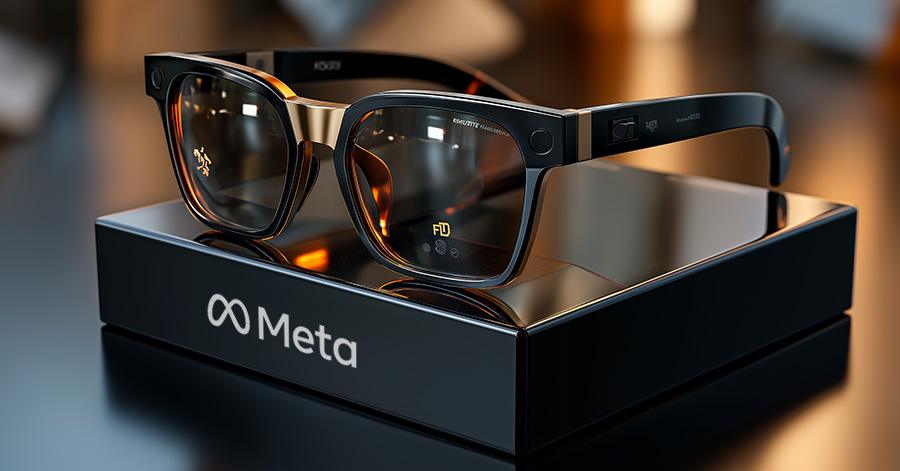
Meta has decided to delay the launch of its Phoenix mixed-reality glasses, pushing the release to 2027. While the move may disappoint those expecting an earlier debut, it signals a more deliberate approach to building consumer-ready mixed-reality hardware.
Below is a clear look at what's changing, why Meta is taking more time, and what it means for the future of mixed reality.
1. The launch timeline has been pushed back
Meta's Phoenix mixed-reality glasses were originally expected to launch in the second half of 2026. That timeline has now shifted, with the release pushed back to 2027. The delay was communicated internally and reflects a conscious decision rather than a development setback.
2. The focus is on delivering a polished product
Meta's leadership has indicated that the extra time will allow teams to fine-tune the device. Rather than shipping early, the company wants to ensure the final product meets usability, performance, and quality expectations. This approach aligns with how future-backward thinking is redefining product development in the age of AI.
3. More time to refine the user experience
The delay gives Meta additional breathing room to address design details that are critical for consumer adoption. Mixed-reality devices are judged heavily on comfort, reliability, and ease of use—areas that benefit from extended iteration.
4. Previously developed under the codename "Puffin"
The Phoenix glasses were earlier known internally as Project Puffin. The device has long been positioned as a lightweight, more approachable alternative to bulky mixed-reality headsets.
5. Lightweight design remains a core priority
One of Phoenix's defining features is its ultra-light build. Weighing roughly 100 grams, the glasses are designed for longer wear times and everyday comfort—an area where many mixed-reality devices struggle. This focus on wearability could complement how augmented reality is already revolutionizing Indian retail experiences.
6. Trade-offs compared to premium headsets
To achieve its slim form factor, Phoenix uses lower-resolution displays and less powerful computing hardware. This means it won't match the immersive performance of high-end devices like Apple's Vision Pro, but it also won't try to.
7. A different positioning strategy
Meta appears to be targeting mainstream users rather than competing directly in the premium mixed-reality category. The emphasis is on wearability, simplicity, and accessibility, rather than maximum processing power. This strategic pivot mirrors broader trends where tech giants like Google are reshaping the future with massive AI investments.
8. What the delay signals about the market
The decision highlights the broader challenge facing mixed-reality hardware makers. Balancing performance, comfort, battery life, and cost is difficult—and rushing a product risks poor adoption. The competitive landscape is intensifying, especially as Meta continues unveiling revolutionary AI tools like Movie Gen across its ecosystem.
9. Meta's long-term commitment to XR
Despite the delay, Meta continues to invest heavily in extended reality. The company's willingness to wait suggests confidence in the category's long-term potential, even if timelines stretch. This patience reflects the understanding that the AI revolution of 2025 is defining trends with lasting business impacts.
Meta's XR ambitions also intersect with its broader AI strategy, including innovations like Meta AI integration across platforms like WhatsApp. The convergence of AI and mixed reality could create entirely new interaction paradigms.
10. The bottom line
By pushing Phoenix's launch to 2027, Meta is choosing patience over speed. The bet is that a more refined, wearable mixed-reality device will stand a better chance of success than an earlier, compromised release.
As AI avatars and digital doppelgangers continue revolutionizing how we interact, lightweight mixed-reality glasses could become the gateway device for mainstream adoption. Meta's deliberate approach suggests they're playing the long game in a market that rewards getting it right over getting it first.


Comments
No comments yet.
Add Your Comment
Thank you, for commenting !!
Your comment is under moderation...
Keep reading blog post